IllustrationMural DesignLarge Format

The Parkway Artway

Two mural illustrations commissioned for an outdoor public art gallery connecting the Ellenbrook town centre with the future Metronet station, celebrating local flora and the unique character of the area.

RoleIllustrator
ClientTo & Fro Studio
Year2020
TypeFreelance

Overview

The Parkway Artway is an outdoor gallery designed to connect the Ellenbrook town centre with the future Metronet station and Hesperia precinct, bringing art into the everyday experience of the local community. I was commissioned by To and Fro Studio in Perth to create two mural illustrations as part of this initiative, contributing to a vibrant and accessible public art project.

The brief

The brief was to create two large-scale illustrations themed around patterns, people, flora, fauna or landscapes that make Ellenbrook unique. I chose to focus on local flora for both pieces.
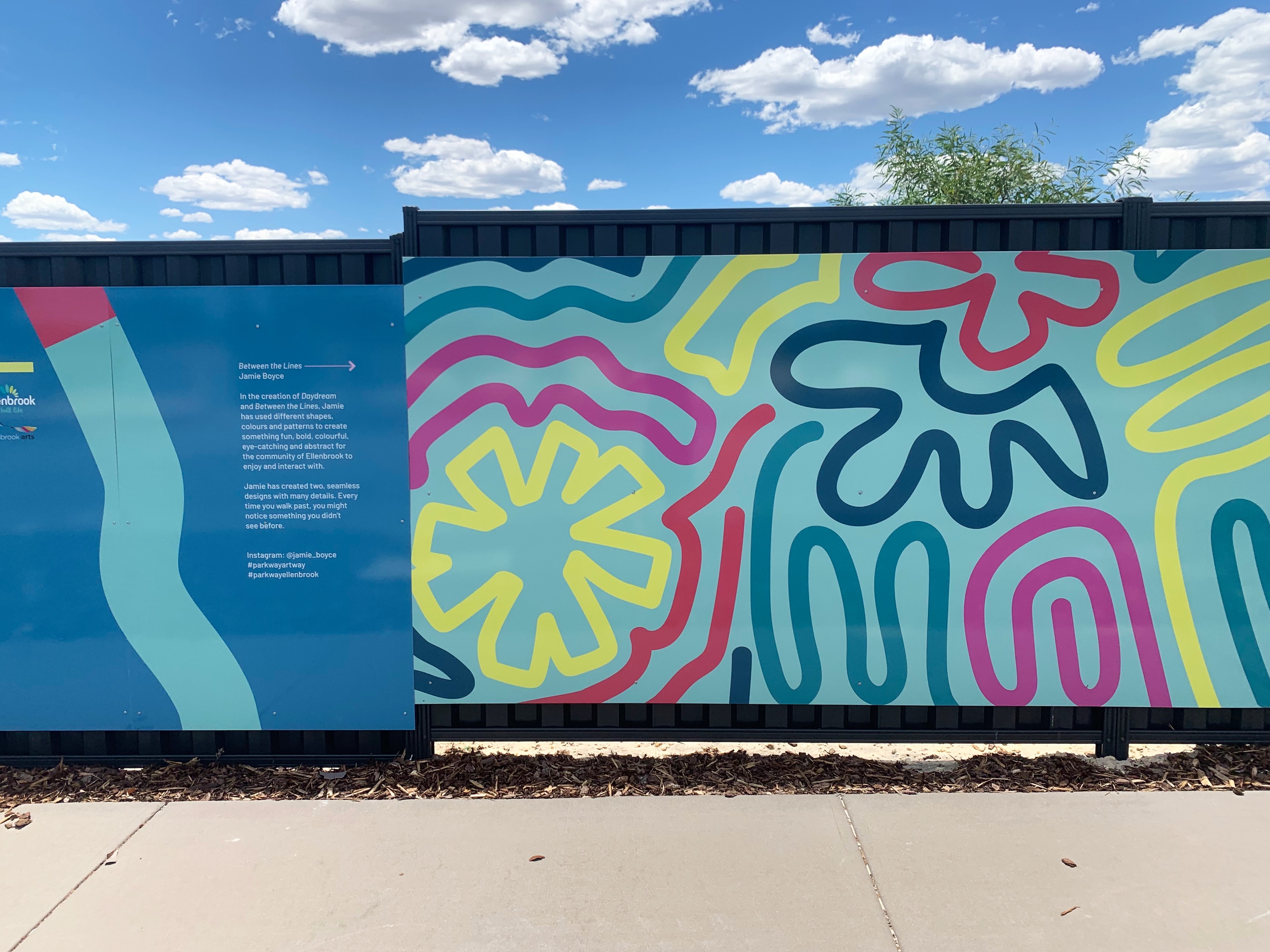
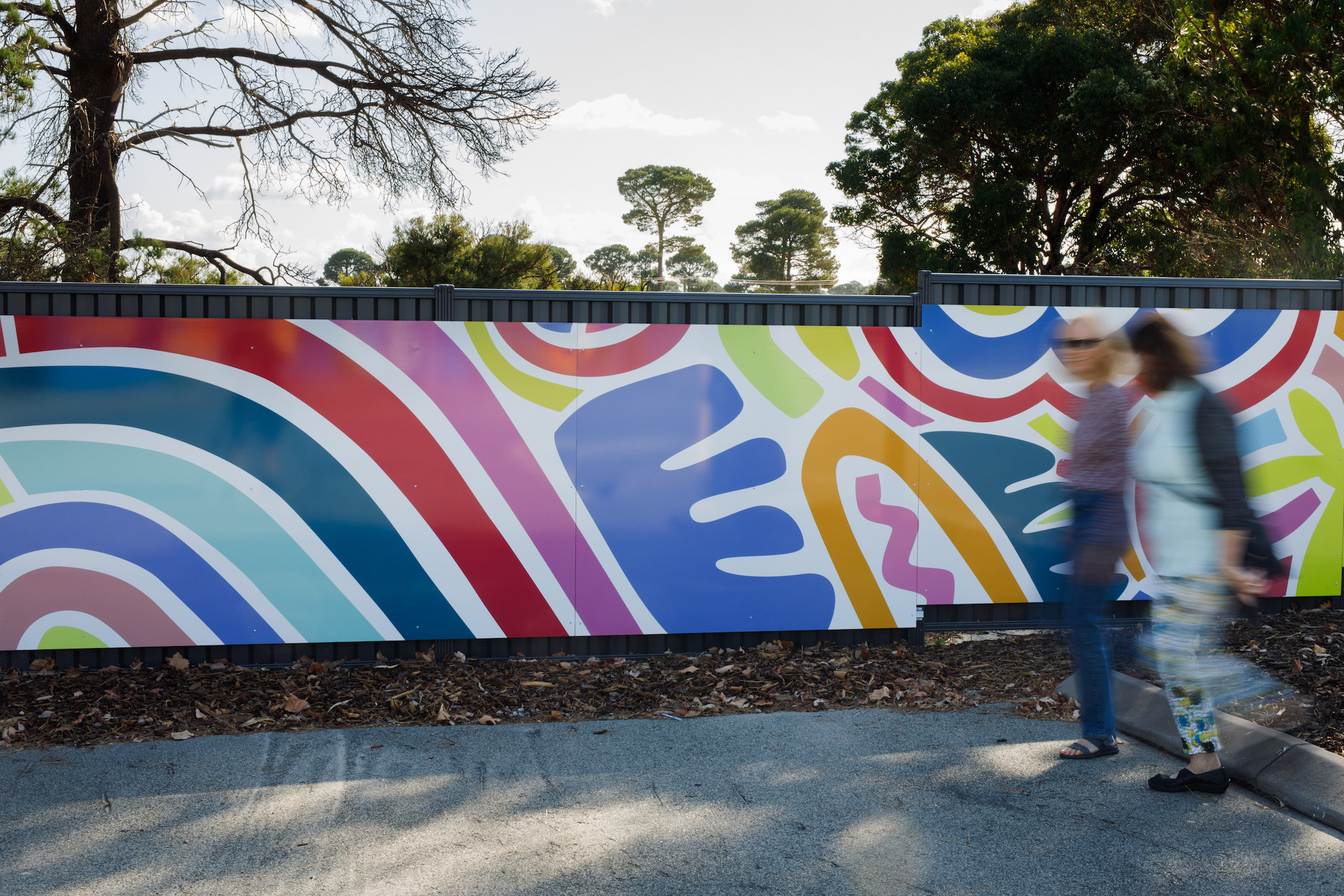
Parkway Artway mural illustration Parkway Artway mural illustration

What I delivered

As someone originally from New Zealand, I spent time researching Australian native plants, specifically those found in the Perth region. I then translated these botanical forms into my illustration style, incorporating their shapes and outlines throughout the compositions.

In both designs, you'll notice abstracted representations of local flora, surrounded by lines and forms that fill the space and bring a sense of movement and balance to the work.
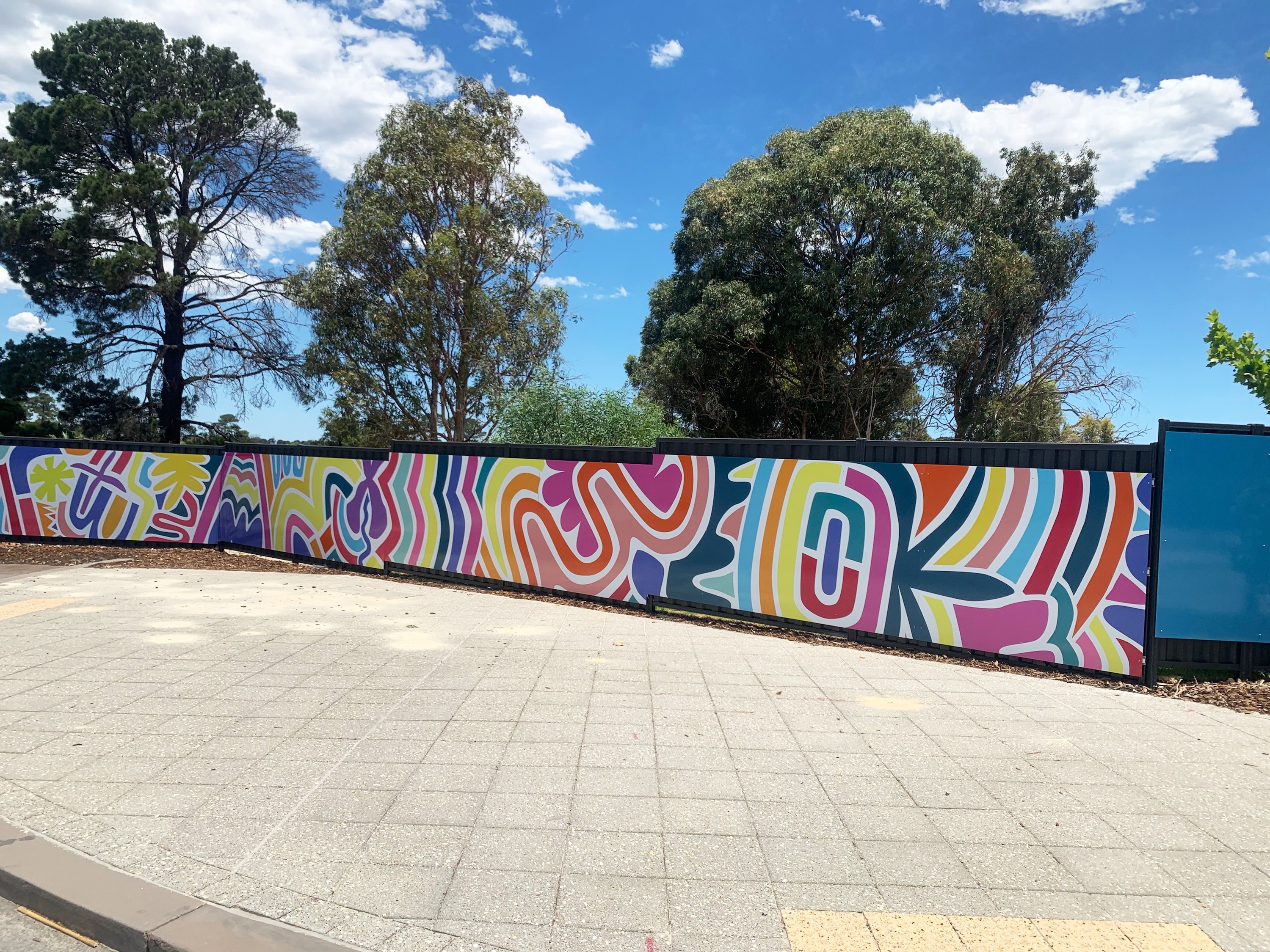
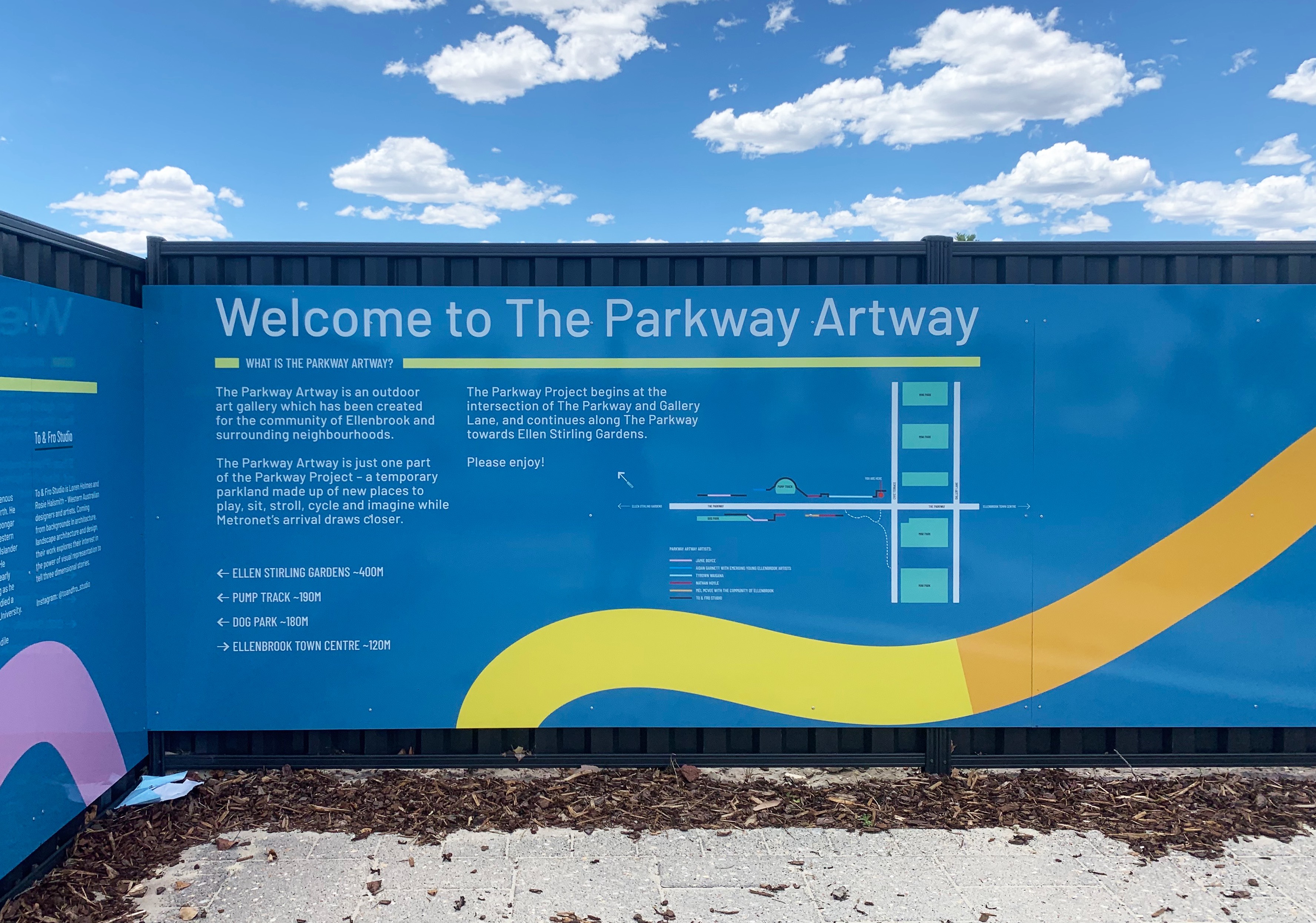
Parkway Artway mural illustration Parkway Artway mural illustration
Quick Interview
Common questions recruiters ask.
Click any to see my answers instantly.

I'm a product designer with 10 years across freelance, in-house, and startup environments. My background spans product strategy, UX research, UI design, branding, and illustration so I can carry an idea from a whiteboard conversation all the way to a shipped, on-brand interface.

I'm currently a Product Designer at WORK180 in Melbourne, working end-to-end on the employer-facing platform from discovery and research through to delivery and iteration.

Because I don't just design screens I think about outcomes. I started in visual and brand design, which means I care deeply about craft and polish. I grew into UX and product, which means I care about whether it actually works for people and moves the business.

I'm also fluent with AI-enabled workflows and front-end enough to communicate precisely with engineers. I move fast without dropping quality, and I thrive in teams where design and engineering are genuinely collaborative.

Discovery first I want to understand the problem, the users, and the constraints before I sketch a single screen. That means research, stakeholder conversations, and auditing what already exists.

Then I move fast in low-fidelity: flows, rough wireframes, quick prototypes for testing. High-fidelity comes after we've validated the approach, not before. And I stay involved post-launch data and user feedback inform the next iteration.

As a partner, not a handoff machine. I try to involve engineers early ideally in problem framing so they're invested in the solution, not just implementing a spec.

I'm comfortable reviewing implementations for design fidelity and adjusting specs when engineering constraints make something impractical. I'd rather ship something slightly simpler and well-built than something pixel-perfect and brittle.

The challenge
We identified an opportunity to help young people find the right apprenticeship path with full transparency, while giving employers a way to manage applications on the other side. The tricky part was that it's a two-sided product with very different user needs, and we jumped straight into it as an experiment with almost no runway. I had a week to show a working prototype to a potential client, starting from scratch.

What I did
I ran discovery and scoped the project myself, mapping out both sides of the experience simultaneously. I had to make fast, pragmatic calls about what to explore and what to park, and built the prototype end-to-end to get something tangible in front of stakeholders quickly.

How it evolved
The whole process has been learning while building, taking feedback from research and changing direction based on what we found rather than following a fixed plan. That's been the real design challenge: staying structured enough to make progress while staying loose enough to respond to what we learn.

Where it landed
We're currently in validation with some strong early signals. It hasn't shipped yet but the process itself validated a lot of our assumptions about what both sides of the market actually need.

Range, and where I sit between disciplines. I started in visual and brand design, so I have a strong eye for typography, layout, and polish but I grew into UX, design systems, and front-end, so I can carry an idea from a stakeholder conversation all the way to a built, accessible, on-brand interface.

That blend matters for work that lives between marketing, communications, and product. I'm also a systems thinker who still sweats the pixels.